
How are Immigrants Doing in Zohran Mamdani’s New York?
By Lavina Melwani
A hundred days have come and gone – but is there any definitive verdict on how Mayor Zohran Mamdani is doing? Just as he won with a mixed mandate so too the verdict on how he is doing seems to be mixed. The rich have not fled the city as it was feared, nor have the illegals or the homeless taken over the city. Israel and Palestine have not become dynamite issues, and New York remains New York – bold, nonchalant and with a spirit all its own.
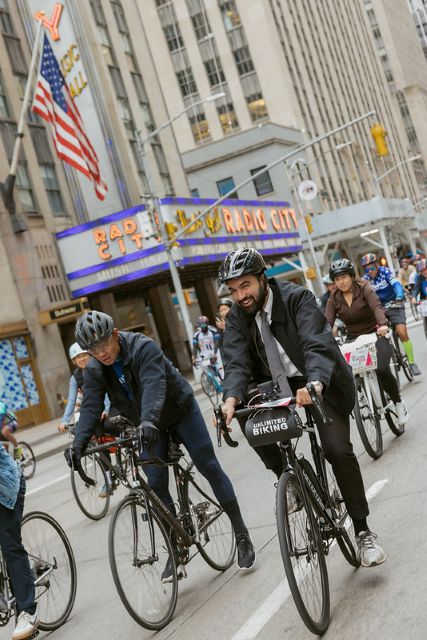
How is Mayor Mamdani doing? With inexhaustable energy he seems to be everywhere. While fixing the City’s budget and scores of issues, he also found time to join the bike marathon, becoming the first sitting mayor to bike the entirety of the Annual Five Boro Bike Tour. The fact is that though the Mayor is the kingpin of the city, the captain of the ship, the city is made up of thousands of moving parts and millions of New Yorkers, cogs in the machine, who make it all happen, who make this buzzing metropolis tick.

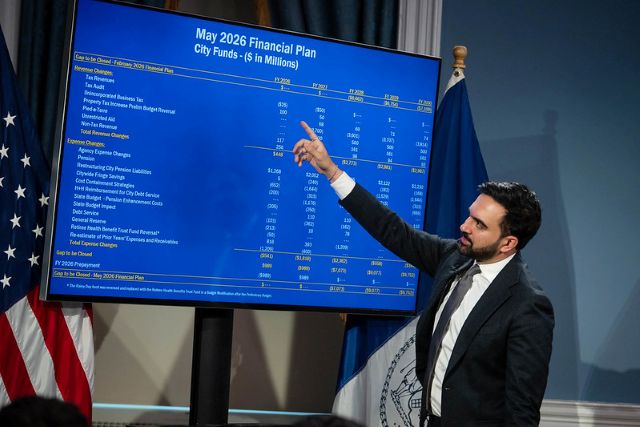
Mayor Mamdani is the mastermind behind the City of New York, the conductor who has to ensure that all players are synchronized. He has created a blueprint and hired talented people to make these plans materialize in real time. New York is the original Sanctuary City, and sacrosanct to the idea of immigration as almost a right. A city which had been threatened by President Trump with being overrun by federal troops, seems to be holding its own and listening to the first birdsongs of Spring, even as the globe continues to undergo constant turmoil.
Ensuring that New York remains a City of Immigrants, Mamdani has selected a team that includes immigrants and the children of immigrants themselves to run the Mayor’s office of Immigrant Affairs. (MOIA)
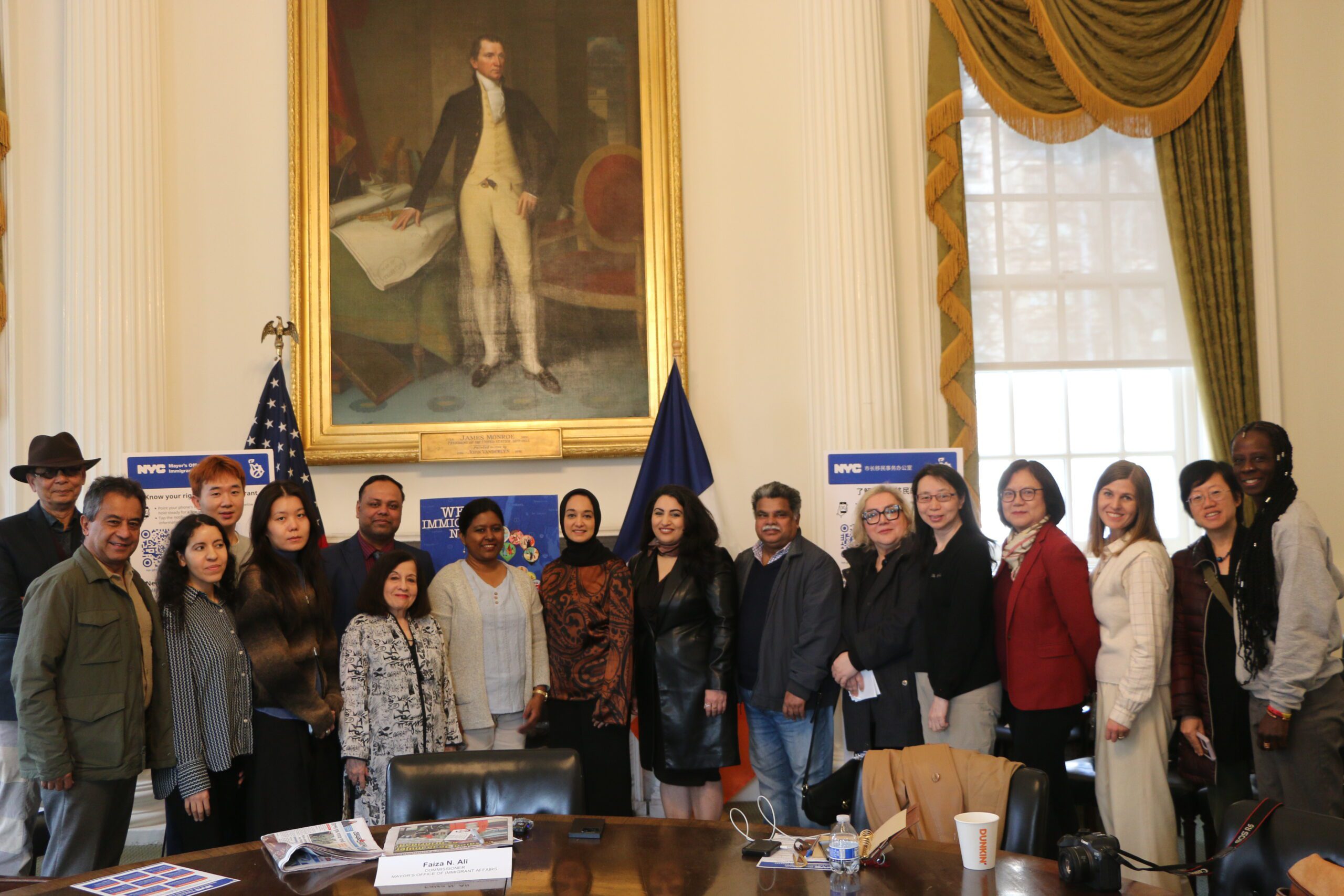
Last month he introduced Faiza Ali, Commissioner of Immigrant Affairs. At a roundtable for the ethnic media, she spoke about her own immigrant history. She said, “I’ve spent about 20 years doing work in public service and in community organizing. You know, I started out much like many of folks in this room, working in community organizations. Oftentimes I would be one of the advocates standing on the steps of City Hall, like screaming at City Hall, right? Like the city needs to be doing more. That was really the role that I played in my early career.
And then at some point, I made the pivot to public service, and wanted to really work in government, because part of what I was hoping was to challenge government to do more and to do better by our communities. There’s a really important role that our community leaders and advocates play standing on the steps of City Hall, holding government accountable, but there’s also an important role that I believe we can play inside.
Everyone in the city, no matter who you are, regardless of your status, no matter where you’ve come from, no matter how long you’ve been in the city, you deserve to be treated with dignity and respect and our job is to ensure that that happens. If we really, truly care about community, we’re going to shape government in the image of everyone who is sitting around this table.”
A Chat with MOIA Com. Faiza Ali about New York for all New Yorkers
She added, “While building a city that that can really step up to the moment, we want to make sure we don’t lose sight of some of the beauty in our communities, like we’re not just in a defensive posture. We also should be able to celebrate who we are. I think that we are in a very unique moment, having a mayor who is an immigrant himself, having a mayor who is not afraid to say we’re a sanctuary city, who’s not afraid to say that we’re going to protect New Yorkers, no matter what. It’s an incredible moment right now, and it’s a moment that we don’t take for granted.”
Asked how the Mamdani Administration was reaching some of the most vulnerable parts of immigrant communities, she said, “We’ve always done work engaging immigrant workers, but there is now a new intentional effort that we’re engaging and assessing, and figuring out what is the best way to reach some of the most vulnerable workers. For me, it’s local agencies who are upholding local responsibilities. Our job is not to do the federal government’s work. Our job is to serve you all in this room and the 8 million New Yorkers who live here.
I think it was day 36 of Mayor Mamdani Administration, where he signed an executive order, Executive Order 13, that basically put teeth behind the sanctuary of cities. So, the laws have been on the books, but making sure agencies are living up to what the law is requiring them to do is something that was detailed in this executive order.”
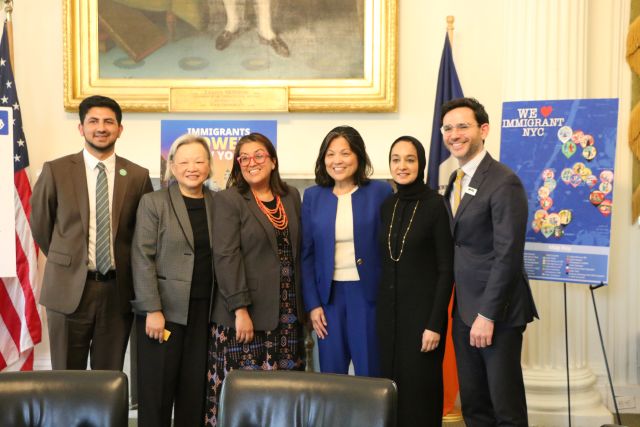
This month, Mamdani’s officials held a second ethnic media roundtable supporting immigrant worker rights in New York City with Deputy Mayor for Economic Justice Julie Su, Commissioner Samuel A.A. Levine of the New York City Department of Consumer and Worker Protection (DCWP), Commissioner Faiza Ali of the Office on Immigrant Affairs (MOIA), Commissioner Midori Valdivia of the NYC Taxi and Limousine Commission (TLC), and Deputy Commissioner Kitty Chan of the New York City Department of Small Business Services (SBS)
Faiza Ali, Commissioner for the New York City Mayor’s Office of Immigrant Affairs, and Deputy Mayor Julie Su emphasized the crucial role of immigrant workers in the city’s economy and culture emphasized the fundamental fact that really remind us of immigrant workers are essential to the strength and economy life of New York City.
“Immigrants power our restaurants, our construction sites, our small businesses, our transportation infrastructure,” said Su. “One of our key priorities for MOIA is ensuring that immigrant New Yorkers are fully integrated into the city’s affordability agenda, and the economic justice portfolio, because it’s created an even stronger opportunity for us to connect immigrant communities to workforce pathways to business support, to worker protections and economic opportunities.”
Reaching Immigrants through MOIA
MOIA has planned multilingual Know Your Rights outreach to immigrant workers, so they understand what their protections are. This portfolio of economic justice is how we’re going to deliver on the mayor’s agenda, and what that means is that we want full economic growth in the city, and we want everyone to get to benefit from it. For a very long time, we have had economic growth in the city. We are the wealthiest city and the wealthiest nation in the world, but that growth has not been widely shared, and so we are going to put workers first when it comes to economic growth.”
Deputy Mayor for Economic Justice Julie Su noted, “Immigrant New Yorkers are a critical part of the fabric of New York City. We want immigrant New Yorkers to know that they have the same labor and human rights as all workers. They should not be afraid to submit a complaint if their rights are being violated and they should know that this administration will leverage all of our power to defend them.”
Su referenced Executive Order 13 as a foundational tool for the city to ensure that all workers, regardless of immigration status are protected from workplace discrimination and unsafe conditions. The Executive Order signed by Mayor Mamdani strengthens the city’s sanctuary laws and mandates greater Know Your Rights outreach to immigrant New Yorkers including workers.
Commissioner Sam Levine from the Department of Consumer and Worker Protection (DCWP) discussed efforts to combat fraudulent immigration services and protect immigrant workers, including lawsuits against companies like Uber and Hungry Panda for wage theft. The city is also addressing the impact of corporate remittance taxes on immigrant families.
MOIA: Safeguards for Taxi Drivers
More than 90 percent of TLC drivers are immigrants, Taxi & Limousine Commissioner Midori Valdiva emphasized the importance of ensuring that the immigrant drivers had access to measures that strengthen their ability to drive safely across our city with dignity. She further spotlighted TLC’s new driver engagement, a first-of-its-kind driver survey, that is designed to gather direct input from licensees, guiding the policies, priorities, and initiatives of theagency to help promote working class immigrant voices and uplift economic justice under the Mamdani administration.
SBS Deputy Commissioner Chan and SBS Chief of Staff Haris Khan, both elevated several programs that immigrant business owners, street vendors, and entrepreneurs can utilize. Programs like Workforce 1, NYC Business Express Service Team (BEST), and the upcoming NYC Small Business Month Expo on May 28th serve as key resources for the City to support immigrant businesses through partnership, collaboration, and education.
New York is one of the world’s best cities, with heart and heartbeat. These officials shared strategies for creating safer, fairer workplaces across New York City. What happens to much maligned yet very necessary street vendors who provides food and respite at all times and in all-weather to New Yorkers, especially at upcoming summer events, such as the FIFA World Cup and America 250.
DCWP Commissioner Samuel A. A. Levine. “In a moment where we see ICE dragging people out of hospitals and disappeared off the street, and where multimillion dollar mergers threaten immigrants’ economic stability as seen through the proposed Western Union and Intermix merger, DCWP is committed to reaching immigrant New Yorkers directly and helping them understand their rights as workers, consumers and small business owners.
There are no wrong doors in New York City. We want to hear from immigrant communities to make sure you can’t get exploited. You come to us and we’ll take action to make sure that the era of exploiting immigrant New Yorkers is over.”
Finally there is the small business bureau and many mom and pop stores and one man businesses that don’t even know about all the great safeguards nd opportunities available to them as New Yorkers.
Chan said, “We are really proud to be able to offer comprehensive services for small businesses, not just direct business services such as capital access and capital and government navigation, but we also assist the worker. We run 18 workforce one centers throughout the city. We also work with our business improvement districts to help stimulate the commercial corridors. We also have our MWBE program to ensure that the economy is there to help minority and women own business enterprises.
I am inviting everyone to our May 28 Small Business Expo. This is our third annual event where we actually bring all the services to one place. If you are an entrepreneur, business owner, a worker or even a CBO that actually needs more information about working with small businesses, we’ll have direct services available to business owners as well, such as legal services and financial consultations.”
So, while Mayor Zohran Mamdani was not in the room or at the roundtable, he was very much there in spirit.
This gathering of his commissioners was speaking his language and pushing forward his plans for a new New York, a city where immigrants are the life-blood and the ones who make the city flourish.
What the future holds remains to be seen, but there are some positive steps immigrants in the community can take in tandem with the city to ensure positive changes are happening.
Immigrant New Yorkers: Know your Rights, including Worker and Consumer Protections.
Links and Resources:
- https://www.nyc.gov/site/immigrants/legal-resources/know-your-rights.page
- nyc.gov/smallbizmonth
- nyc.gov/dcwp
- Consumer Bill of Rights Regarding Immigration Assistance Service Providers
- https://www.nyc.gov/site/tlc/about/driver-survey.page
- https://www.nyc.gov/mayors-office/news/2026/02/executive-order-13
