

Our Communities
Feeding the Hungry this Festive Season with Akshaya Patra
In this festive season, with Diwali just ended and Thanksgiving around the corner, there can be no greater work than feeding the hungry, and one organization which does that exceptionally well is Akshaya Patra, which serves 2.35 million children across India a school meal every school day. In fact, when it reached 4 billion meals in 2024, it was recognized by the United Nations for making strides toward the UN Sustainable Goal of Zero Hunger. This year the President of India served Akshaya Patra’s 5 billionth meal at Rashtrapati Bhavan.
Feeding the hungry is a job any of us can do because according to Akshaya Patra a humble sum like $20 can feed a child in India a nutritious school meal for a full year. I was at an event the Young Professionals of Akshaya Patra Foundation USA had hosted at Lladró in Manhattan for Diwali. Guests at this awareness building evening enjoyed a vegetarian Diwali spread and learned more about giving to the organization. It was an evening of feeding and spirituality, because Lladró which is a noted company from Spain, has also introduced Indian Gods into its sculptural collection, and Lakshmi, the Goddess of Abundance, was right there, heralding in the auspiciousness of Diwali.
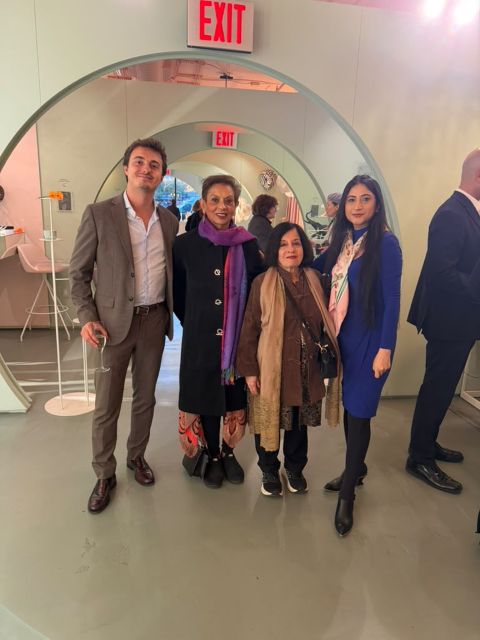
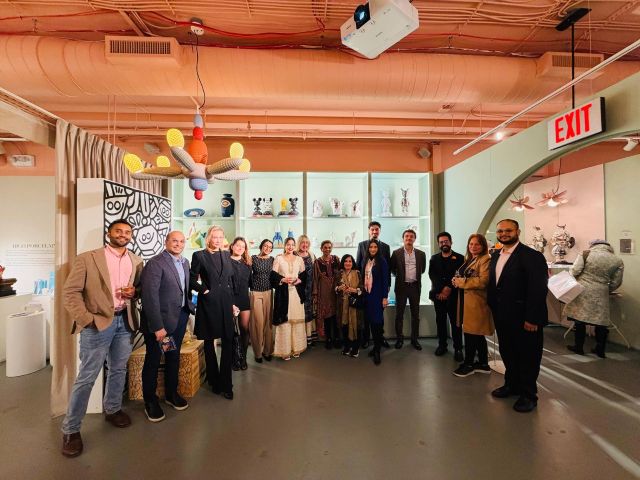

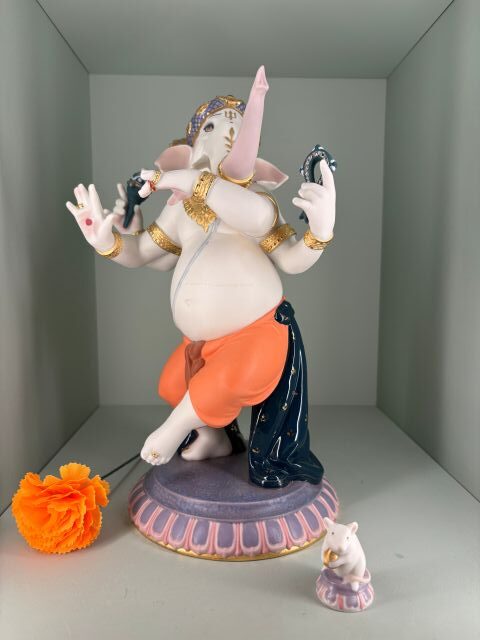
As Ankita Narula of Akshaya Patra emphasized to New Yorkers, feeding the hungry is one of the most efficient ways of educating children. So this Thanksgiving, as you enjoy your festive dinner, think of feeding some strangers in need.
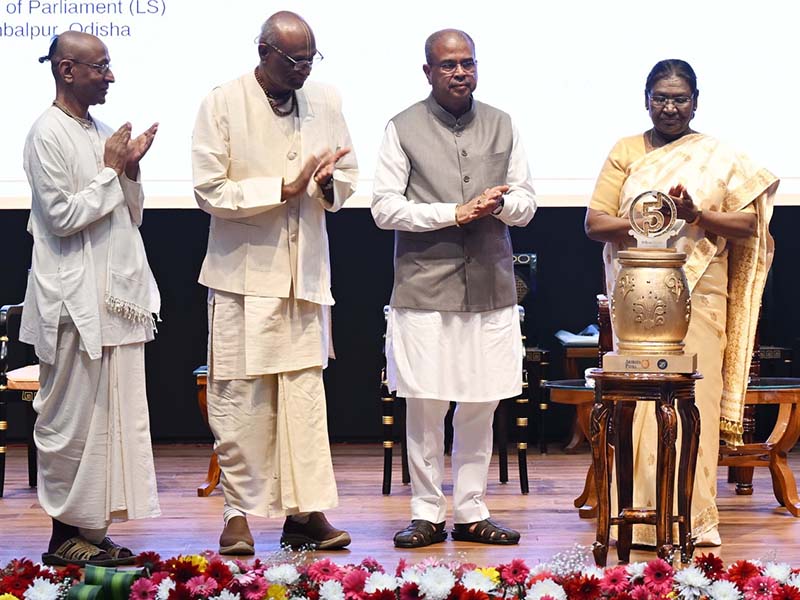
Feed a Child at Akshaya Patra Foundation
Below are some interesting and informative details from the Akshaya Patra website about its mammoth feeding program of schoolchildren in India.
What is a mid-day meal?
A mid-day meal is a school lunch provided to children in government and government-aided schools in India as a part of the PM POSHAN (POshan SHakti Nirman) initiative (formerly the Mid-Day Meal Scheme) to improve their nutritional levels and support their education.
In November 2001, the Supreme Court of India passed a mandate stating, “We direct the state governments/union territories to implement the Mid-Day Meal Scheme by providing every child in every government and government-assisted primary school with a prepared midday meal.”
The provision of mid-day meals in India has helped in:
- Increasing enrolment in schools
- Increasing attendance
- Mitigating classroom hunger
- Helping students concentrate in the classroom
- Reducing the drop-out rate among students
- Addressing the issue of malnutrition among children
- Empowering women through employment
- Improving socialization among children
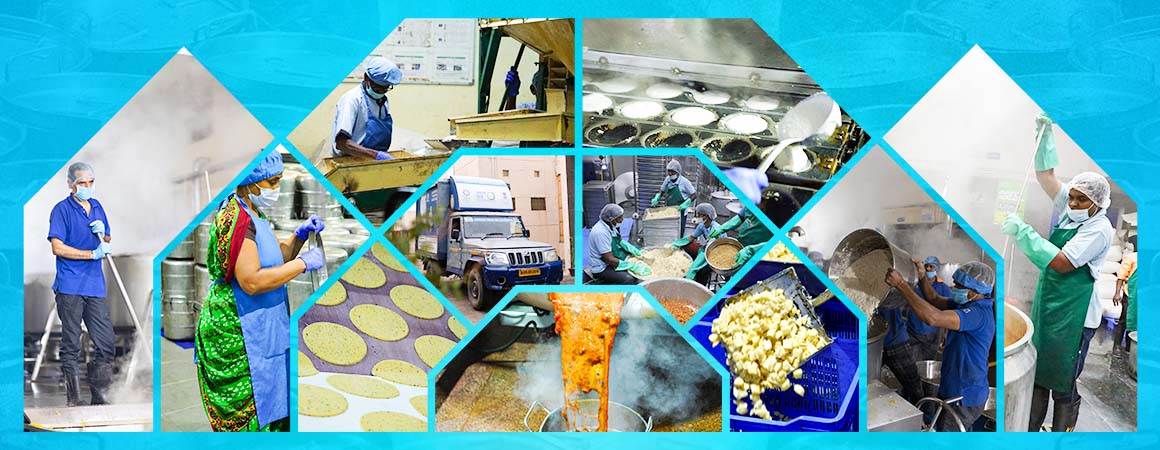
Implementation of PM POSHAN/Mid-Day Meal Scheme
Hunger should never impede education. Children should not have to choose between food and education; they should have access to both. Driven by this belief, The Akshaya Patra Foundation implements the PM POSHAN initiative to support children’s nutrition and education.
The objective of the Mid-Day Meal Scheme (now rechristened PM POSHAN) was to provide nutritious mid-day meals to school-going children. However, in the initial stages, one of the biggest challenges was implementing the program at such a vast scale.
The National Program of Nutritional Support to Primary Education (NP- NSPE) 2006 Guidelines offered an action plan, stating that the Government could mobilize community support and promote public-private partnerships for executing the initiative.
As per these guidelines, the Government of India started partnering with not-for-profit organizations’, such as Akshaya Patra, to implement the program and provide mid-day meals to children in schools.
‘The recognition of the role of voluntary agencies in partnering with Government initiatives by the Centre may have had some influence in the initiatives taken by the Government of Karnataka to bring several NGOs into major government-sponsored programs.’ – The Karnataka Human Development Report 2005
The Government of Karnataka was the first state government to involve NGOs in providing mid-day meals to school children in India.
Additionally, the report states that this involvement of the NGOs in multilateral/bilateral programs raised the level of co-operation. Going beyond the ambit of implementation, NGOs found a place in designing and managing programs together with the government at all levels.
The decision to involve NGOs in implementing the school feeding program helped the Government of Karnataka add to the effectiveness and efficiency of the endeavor. The successful public-private partnership to feed children in government and government-aided schools served as a precedent, opening up an opportunity for the Government of India to successfully leverage the skills and resources of the private sector.
PM POSHAN helped ensure that every child has access to nutritious food and proper education. It is one of the largest school lunch programmes in the world, offering a lasting impact to more than 11.80 Crore children in 11.20 lakh schools (as per 2021-22 data) across the country.
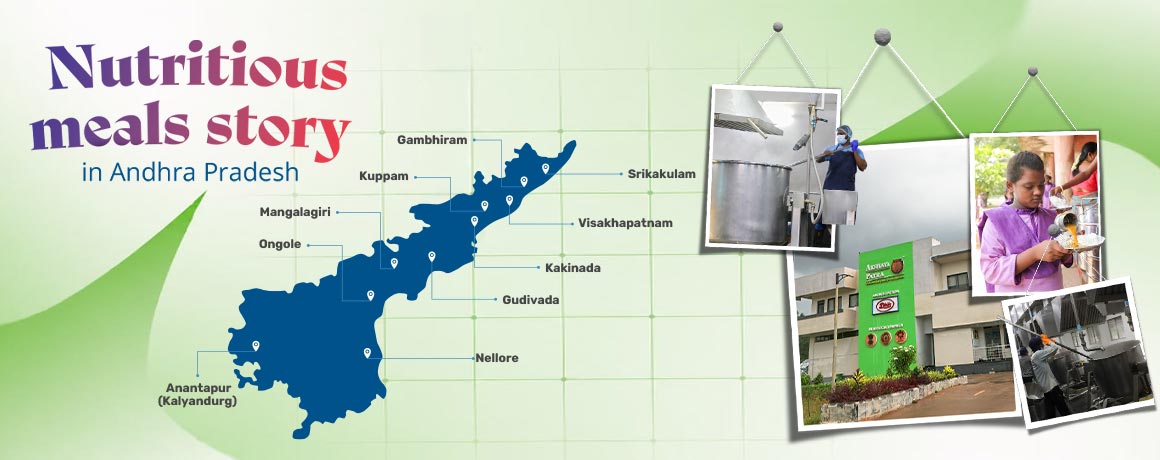
Mid-Day Meal Menu
The Mid-Day Meal Rules, 2015 state that ‘Every child within the age group of six to fourteen years studying in classes I to VIII who enrol and attend the school, shall be provided meal having nutritional standards as specified in Schedule II of the Act, free of charge every day except on school holidays.’ It further adds that ‘The meal shall be prepared in accordance with the Mid-Day Meal Guidelines issued by the Central Government from time to time and in accordance with the provisions of Schedule II of the Act.’ It stipulates that mid-day meals should provide 450 calories and 12 grams of protein for children studying in classes I–V and 700 calories and 20 grams of protein for children in classes VI–VIII.
At Akshaya Patra, the mid-day meal menu is designed after taking into consideration multiple factors including:
- MDM guidelines
- Regional Palate
- Taste
- Flavour
- Nutritional Value
